


Your Ductwork Does Two Jobs, and Most Homeowners Only Think About One
Ductwork moves conditioned air around your house. That's the job everyone knows about. The second job gets ignored: ductwork is also the path every particle in your home's air travels through before it reaches a vent, and every particle from your attic travels through before it reaches you. When ductwork is leaking, undersized, or clogged with years of dust, it fails at both jobs at once. You feel it as uneven cooling. You breathe it as worse indoor air. Below are the patterns our technicians run into most often on service calls throughout Palms, Del Rey, and the Mar Vista core, along with what each one is actually telling you about the air moving through your rooms.
Sign #1: Some Rooms Never Cool, Others Cool Too Fast
If the living room hits temperature fine but a back bedroom stays warm no matter how long the system runs, that's usually an airflow problem, not a failing compressor. A big share of the housing stock in this part of the Westside dates back to the postwar tract boom, when duct runs were built around a small gravity or wall furnace and never anticipated the air volume a modern cooling system needs to move. Six-inch trunk lines choke under that load. Rooms far from the air handler starve for airflow while rooms close to it get more than their share. This unevenness also means filtered air isn't reaching every room at the same rate, so the room that runs warmest is often also the room getting the least benefit from whatever filtration your system has.
Sign #2: A Musty Smell When the System First Kicks On
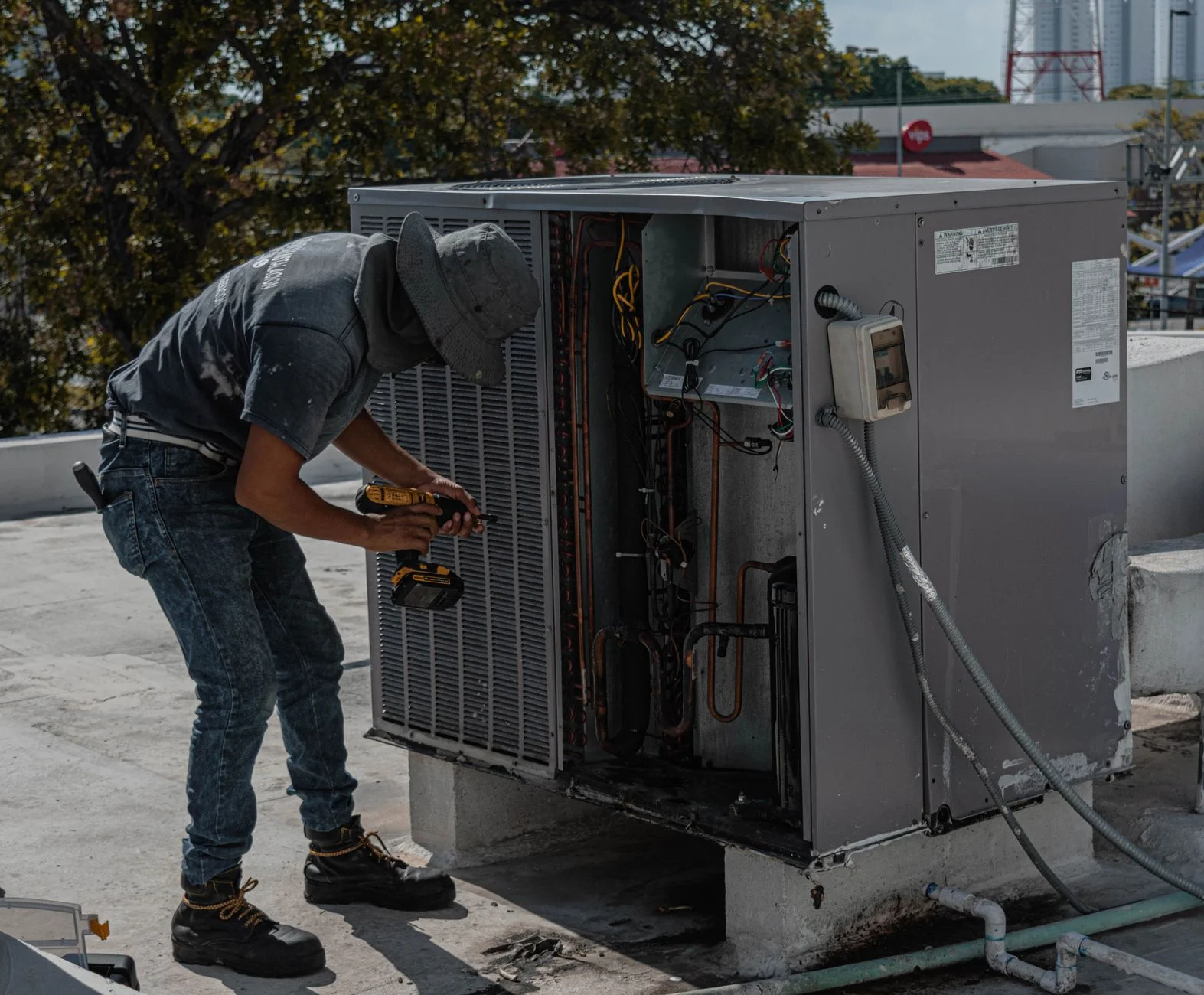
A brief musty or stale smell right when your AC starts, especially after the system has sat off for a while, usually points to moisture sitting somewhere in the ductwork or at the coil. The marine layer brings in humidity most mornings, and older attic ductwork with loose insulation or gaps doesn't always dry out fully between cycles. That trapped moisture is close to the exact condition mold and microbial growth need to take hold inside a duct run. If you notice this smell regularly, have someone look at the coil and the accessible duct runs before it becomes something your filter has to fight full time.
Sign #3: Dust Buildup Around Vents That Comes Back Fast
A little dust around a vent cover is normal. Dust that reappears within days of cleaning it usually means air is moving through a gap somewhere it shouldn't, pulling attic dust or insulation fibers into the supply stream before it ever reaches a filter. Homes with ductwork routed through low-clearance attics, common throughout Mar Vista's original ranch and bungalow stock, are especially prone to this once duct joints loosen with age. We pressure test ductwork specifically for this, not just for energy loss, because a leak that wastes cooling capacity is also a leak feeding unfiltered air straight into your rooms.
Sign #4: Symptoms That Show Up Indoors and Ease Outdoors
If anyone in the house notices congestion, throat irritation, or allergy-like symptoms that seem worse at home than elsewhere, indoor air quality is worth looking at before anything else. This isn't something we diagnose medically, but from an HVAC standpoint, a home with leaky ductwork pulling in attic air, an undersized or dirty filter, and older single-pane windows letting in outdoor pollen creates conditions where indoor air can carry more irritants than outdoor air on a given day. Sealing ductwork and upgrading filtration are the two levers we control directly.
Sign #5: Rising Bills With No Change in Filtration or Comfort
Slowly climbing utility bills without a matching change in comfort usually means your system is working harder to deliver the same result. A duct leak pulling in unconditioned attic air forces the system to run longer to hit the same setpoint, and longer runtime with a compromised duct system means more unfiltered air cycling through your rooms during every one of those extra minutes. If your bills are creeping up and nothing else about your household has changed, ductwork is one of the first things worth checking, right alongside the filter.
Why We Check Static Pressure First
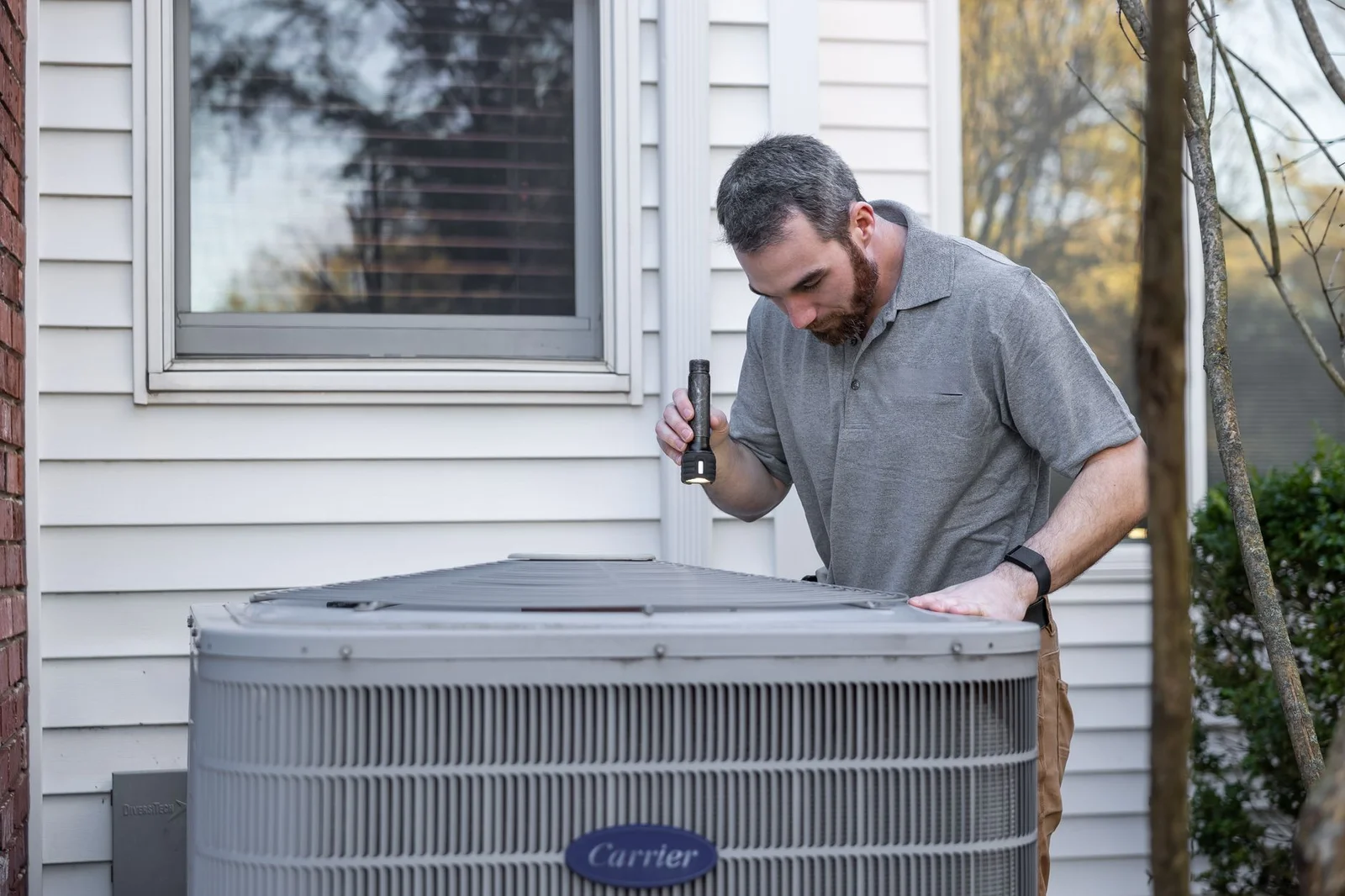
When we come out for a repair or diagnostic call tied to any of these signs, we don't start by assuming the equipment failed. We measure static pressure across your ductwork, which tells us whether airflow is restricted, leaking, or both. On the service calls we run through this part of the Westside, that measurement points to a duct issue far more often than it points to a bad compressor. Jumping straight to a compressor or capacitor replacement without checking ductwork first means you might fix a part that was never the actual issue.
Sealing Versus Replacing
Not every duct problem needs full replacement. Aeroseal and manual sealing methods can close gaps and loose joints in ductwork that's otherwise structurally sound, and for a lot of Mar Vista homes with original trunk lines, sealing solves the leak problem without the cost or disruption of a full duct replacement. We reserve replacement recommendations for ductwork that's crushed, disconnected beyond repair, or so undersized that no amount of sealing fixes the airflow problem underneath.
What Filtration Can and Cannot Fix on Its Own
A better filter helps with particles already in the air stream, but it can't stop attic air from entering through a duct gap in the first place. Filtration and duct sealing work together. Upgrade one without the other and you're either filtering air that shouldn't be there in the first place, or sealing a system that's still running a filter too thin to catch wildfire smoke particulate or fine pollen. We recommend both get assessed together, not as separate decisions made months apart.
A Sixth Sign: Debris or Insulation Fibers in the Supply Air
If you notice fine grit, insulation fibers, or a gritty film settling on surfaces near a supply vent, that's a stronger signal than ordinary dust. It usually means a section of ductwork has physically failed, a disconnected joint, a torn flex run, or a section crushed under items stored in the attic, and it's pulling attic material straight into the air stream. That's different from a slow leak that just wastes cooling capacity. It's actively feeding insulation particles and attic debris into the air you breathe, and it deserves attention sooner than a routine tune-up schedule would catch it.
Duct Insulation and Moisture Protection Matter Too
Ductwork problems aren't only about gaps and leaks. Insulation wrapped around trunk lines and branch runs keeps condensation from forming on the duct's exterior during humid marine layer mornings. Where that wrap has degraded or was never installed to a proper standard, moisture collects on the duct exterior, and in an attic with limited airflow, that dampness lingers instead of drying out. Over time, that's another path toward the kind of microbial growth we look for during a full duct evaluation. Moisture protection on ductwork is as much an air quality measure as it is a durability one, especially for runs closer to the coastal edge of our service area.
Get It Checked Before It Becomes Background Noise
Symptoms tied to leaky, undersized, or gap-riddled ductwork rarely announce themselves loudly. They creep in slowly enough that a household stops noticing the musty smell or the dusty vent cover after a while. Call Mar Vista AirCon at (877) 552-7520 if you're seeing any of these signs in Palms, Venice, or around Mar Vista itself. A static pressure test and a duct inspection will tell you plainly whether sealing, filtration, or both is the actual fix.
Need Professional HVAC Service?
Our HVAC-experienced technicians are ready to help with all your AC and heating needs. Contact Mar Vista AirCon today for expert service throughout the West LA service area.


