


No Ductwork Means No Duct Problems, But It Isn't the Whole Answer
We get asked about ductless mini splits more in Mar Vista than almost anywhere else in our service area. Usually the conversation starts with space: a converted garage, an addition without ductwork, a ranch home too tight for a plenum. But there's an air quality angle to this conversation that doesn't come up as often as it should. A ductless system skips ductwork entirely, and ductwork is where a lot of indoor air quality problems in older Mar Vista homes actually start. That doesn't make a mini split a complete air quality fix. It means it removes one variable while leaving others in place.
What Ductwork Contributes to Air Quality Problems
In a ducted system, air travels through trunk lines and branch runs, often through an attic space, before it reaches a room. Every joint, every gap, every inch of loose insulation along that path is a chance for dust, attic debris, or moisture to get into the air stream before it passes through a filter. Older Mar Vista homes with ductwork retrofitted decades ago carry more of this risk than newer construction. A mini split's indoor air handler pulls room air, filters it, conditions it, and delivers it back into the same room, with no attic detour in between.
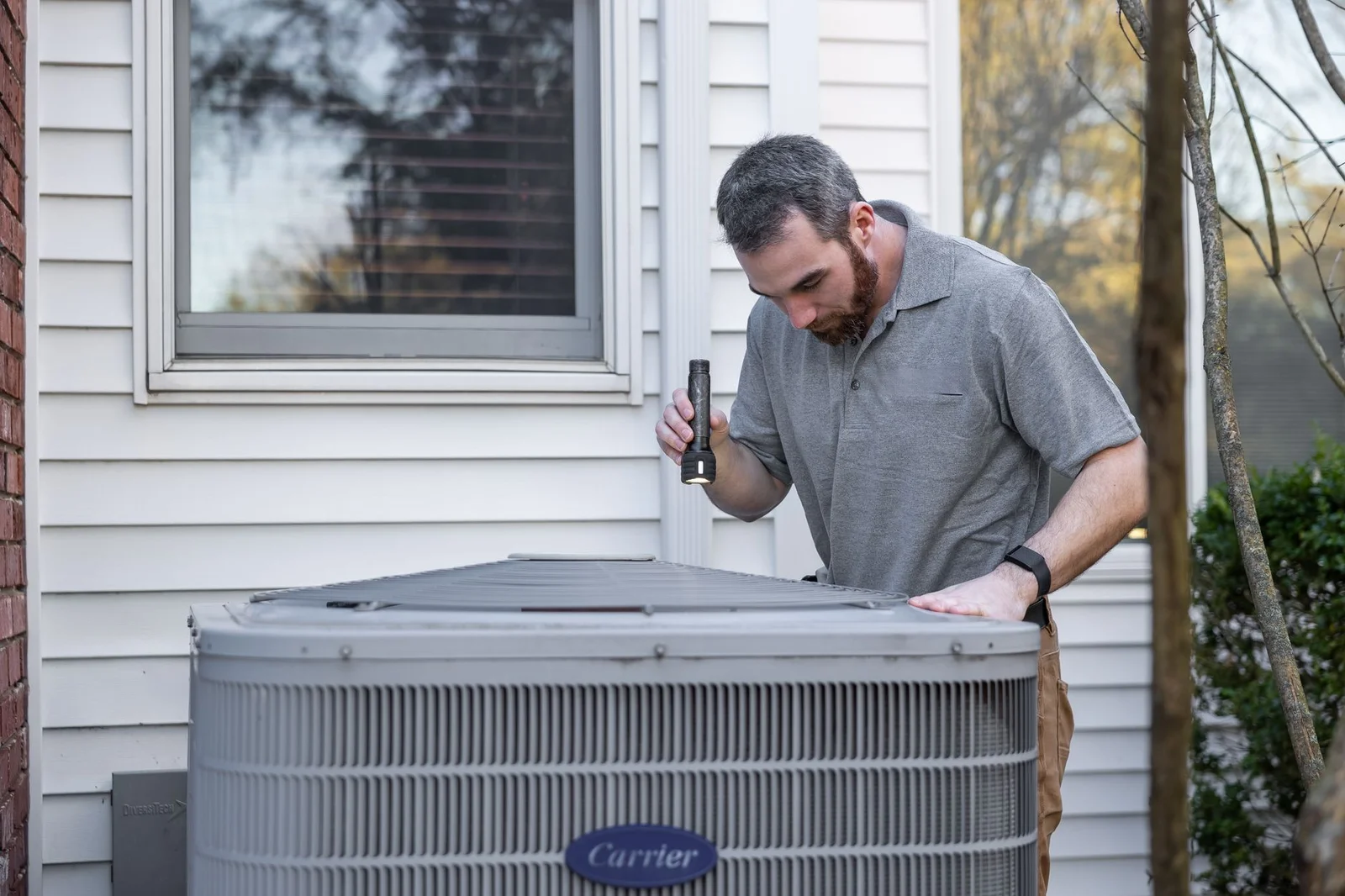
The Filter Sits Right in the Room
Every mini split indoor unit has its own filter, usually a washable mesh filter that sits directly in the air handler. Because it's filtering air pulled from the room it serves, rather than air blended from every room in the house through shared ductwork, contamination in one room doesn't automatically spread through a whole-home duct system. For a household managing allergies or asthma in one specific room, a dedicated zone with its own filtration can matter more than whole-home filtration spread thin across every room.
Where This Helps Most in Mar Vista
Converted garages and ADUs benefit most directly. These spaces usually have no ductwork to tap into, and whatever air quality exists depends entirely on whatever unit serves that room. A mini split gives that space its own filtered air source instead of leaving it dependent on a window left cracked or a portable fan pulling in whatever's outside. Additions built without extending the original ductwork see similar benefit, since that room was likely getting whatever leftover airflow the original duct system could spare, filtered or not.
What It Doesn't Fix
A mini split doesn't address whole-house ventilation. If your Mar Vista home still has original single-pane windows leaking draft, dust, and pollen into rooms that aren't served by the mini split, those rooms still deal with the same air quality issues they had before. A mini split conditions and filters the air in the zones it covers. It doesn't manage fresh air exchange for the whole house the way a balanced ventilation system does, and it doesn't stop humidity or smoke particulate from entering rooms outside its reach.
The Filter Maintenance Difference
Mini split filters need more frequent attention than a typical central system filter, not less. Because the filter is reusable and sits close to the living space, it collects dust directly from the room rather than from air already somewhat filtered upstream. Pulling and rinsing that filter regularly matters more for a mini split than remembering to swap a central system filter on a calendar schedule, since a dirty mini split filter both restricts airflow and stops catching what it's supposed to catch.
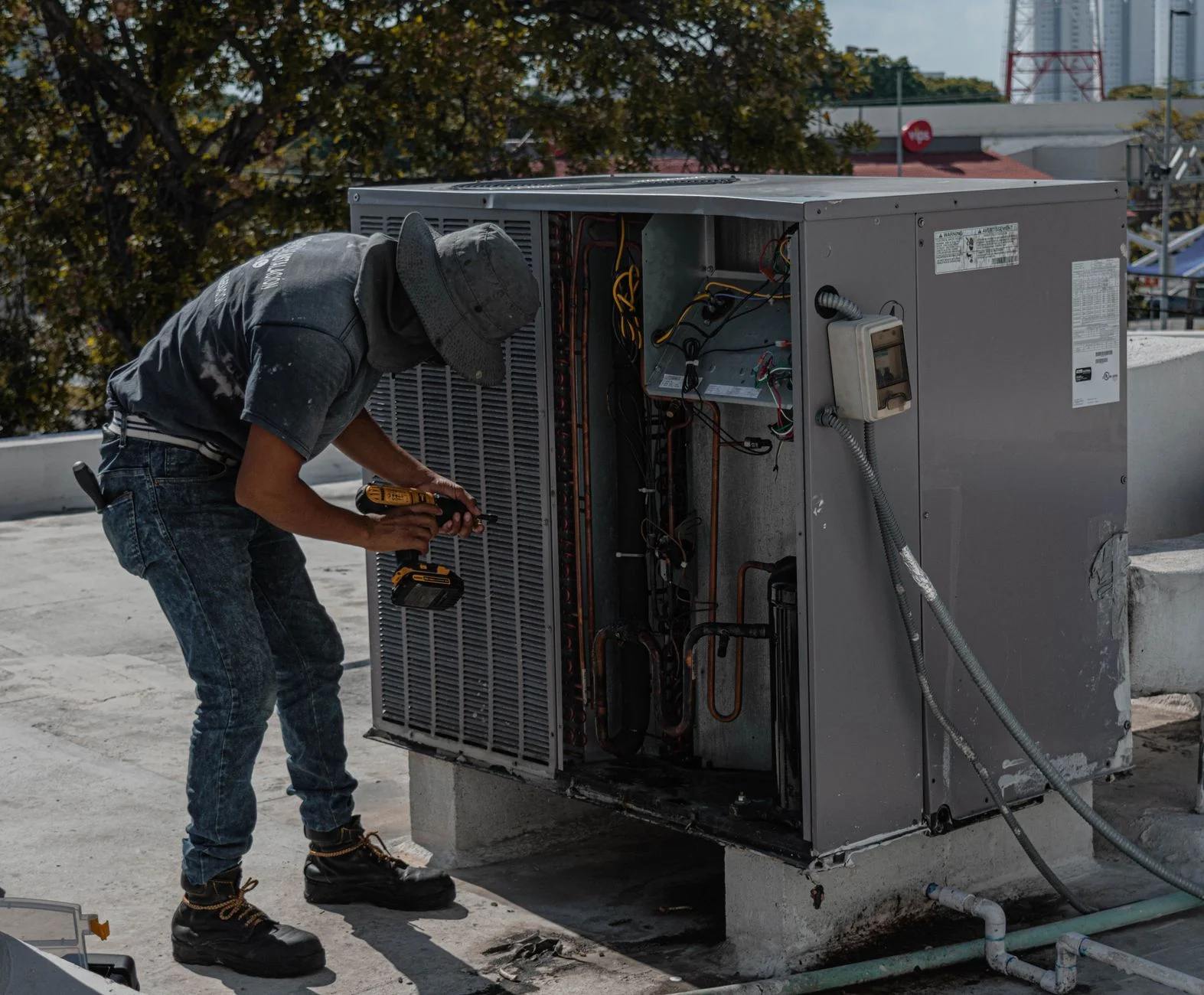
Multi-Zone Systems and Whole-Home Coverage
A multi-zone mini split with several indoor heads can cover most of a house without central ductwork at all, which some Mar Vista homeowners choose specifically to avoid duct-related air quality issues altogether. Each zone filters its own air independently. The tradeoff is that whole-home ventilation still needs a separate solution if your windows and building envelope aren't providing enough natural fresh air exchange on their own, particularly during a smoke event when you want to control what air comes in rather than relying on window gaps.
Sizing Still Matters for Air Quality, Not Just Comfort
An oversized mini split zone cools fast and shuts off before it's run a full filtration cycle on the room's air. That short cycling is the same problem we see in oversized central systems, just on a smaller scale. We run a load calculation for the specific room or zone rather than sizing by square footage alone, since a unit that's right-sized runs longer, gentler cycles that actually move more air through its filter over the course of a day.
Should You Pair It With Something Else
For a homeowner using a mini split to cover a converted garage or an addition, and a separate central system for the rest of the house, air quality upgrades on the central side, filtration, duct sealing, ventilation, still matter for the rooms the mini split doesn't reach. We look at the whole house, not just the zone being discussed, before recommending a plan.
Heating Mode and Winter Air Quality
Most mini splits installed today are heat pump systems, meaning they reverse the cycle to provide heat during cooler months. Because the same indoor unit and filter handle both heating and cooling, whatever filtration benefit you get in summer carries straight through winter without switching to a separate system with a different filter path. A garage conversion or standalone ADU that once depended on a plug-in space heater gets one filtered air source covering both seasons instead, rather than an unfiltered heat source through winter and a filtered cooling source the rest of the year.
What Adding Filtration Changes About the Permit
A basic ductless install still needs a mechanical permit from the city, and that part of the process doesn't change no matter what equipment you choose. What can change the scope is anything layered on top of the standard indoor and outdoor units, a filtered fresh-air component feeding a converted garage, or a multi-zone setup drawing more current than a single-zone system would. We size the electrical circuit for what you're actually installing rather than just the base condenser, and we note that in the written estimate before the crew arrives, not after.
Choosing Between Single-Zone and Multi-Zone for Air Quality
A single indoor head serving one room keeps things simple: one filter, one zone, one thing to maintain. A multi-zone system covering three or four rooms off one outdoor condenser gives broader coverage, but it also means three or four filters to check on their own schedule rather than one. For a household managing allergies in a specific bedroom, a single dedicated zone sometimes makes more sense than stretching one condenser across the whole floor plan, since it puts filtered air exactly where it needs to be without diluting the outdoor unit's capacity across rooms that don't need the same level of attention.
Talk Through What Your House Actually Needs
A mini split solves an air quality concern in some homes and only a comfort concern in others, and the difference comes down to your floor plan and existing ductwork, not a general rule. Reach Mar Vista AirCon at (877) 552-7520 and describe your space, whether it's Mar Vista, Del Rey, or Culver City. We'll say plainly what a mini split will and won't do for the air in that room.
Need Professional HVAC Service?
Our HVAC-experienced technicians are ready to help with all your AC and heating needs. Contact Mar Vista AirCon today for expert service throughout the West LA service area.


