
A New System Is a Chance to Fix Your Air, Not Just Your Temperature
Most homeowners in Mar Vista call us about heat. The house runs warm in the afternoon, the old unit quit, or one room never cools right. Temperature is the reason for the call. But a new AC installation touches more than temperature. It touches every breath you take inside that house afterward. Once we're inside your walls and attic running new equipment, we have a rare chance to fix filtration, sealing, and airflow problems that have been sitting there since the home was built. Skip that chance and you get a system that cools the air but does nothing for the dust, pollen, and smoke particles moving through it.
Why This Matters More in Older Mar Vista Homes
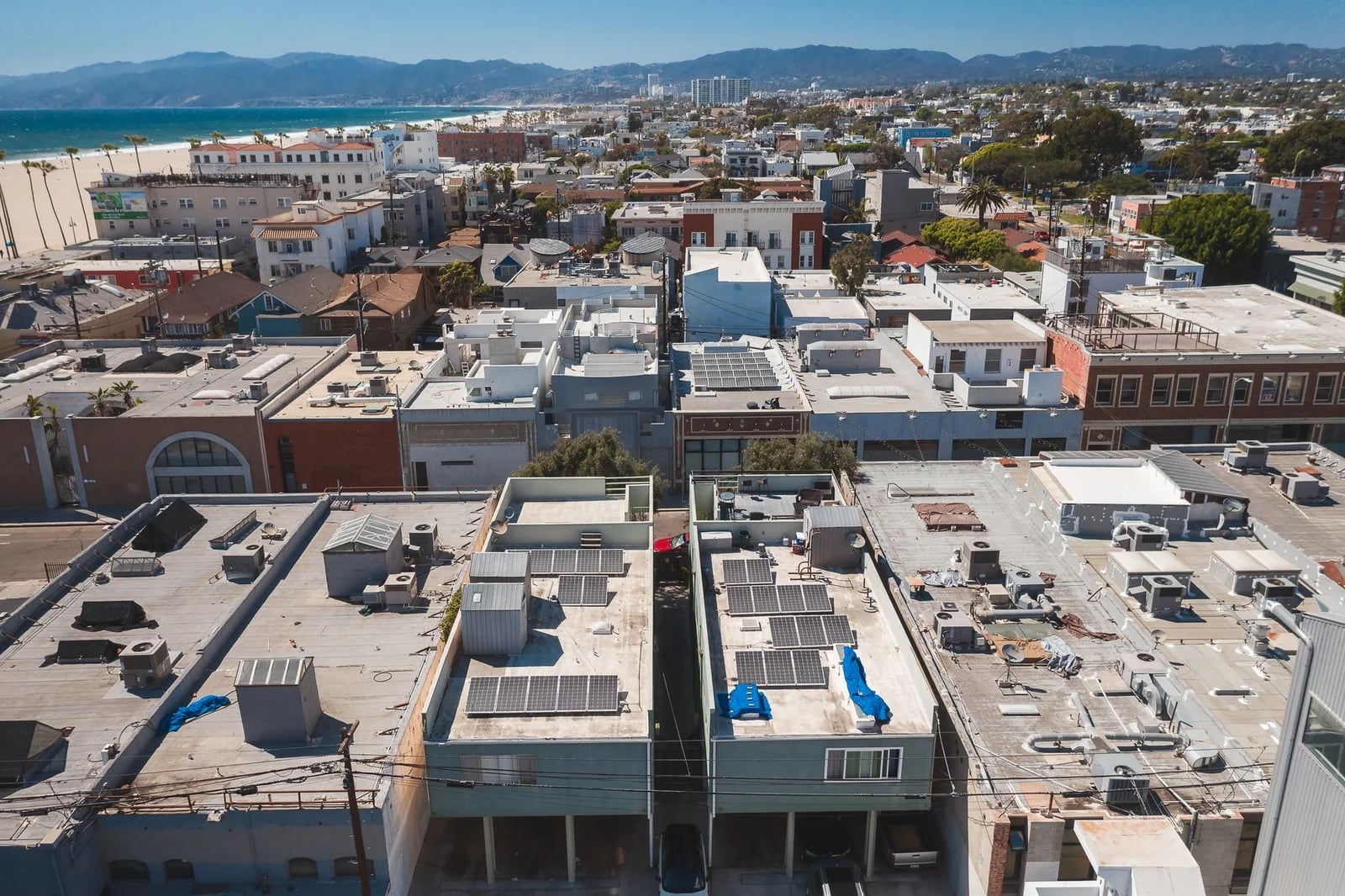
A lot of the housing stock here dates to the 1950s and 1960s. These homes were built with wall furnaces or small gravity furnaces, not central air. When central air got added later, it usually got squeezed into ductwork that was never designed to filter much beyond dust and lint. The filter slot in most of these retrofits is shallow, built for a thin one-inch filter that catches large particles and lets the small stuff pass straight through. That gap matters most during wildfire smoke season, when fine particulate is exactly the size a standard filter cannot stop.
Ask About Filter Slot Size Before You Ask About Tonnage
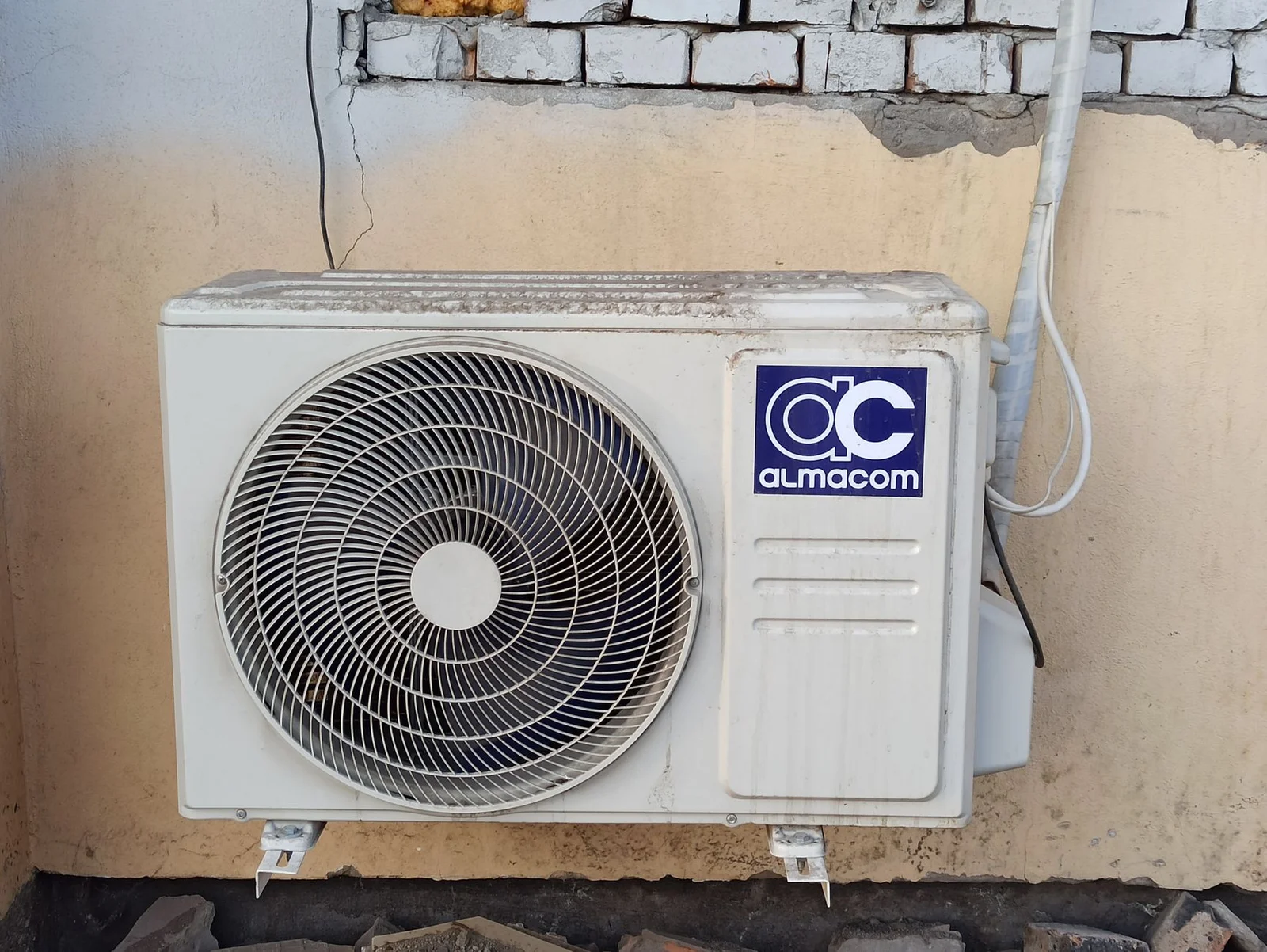
Homeowners usually ask about equipment size first. Tonnage matters, but filter slot size decides what kind of filtration you can run for the life of that system. A shallow one-inch slot limits you to thinner filters with less surface area. A deeper four or five-inch slot lets us fit a higher-MERV filter without choking airflow. If we're already opening your ductwork for a new install, this is the moment to widen that slot. Doing it later means cutting into finished ductwork again, which costs more and disrupts more of your house.
Static Pressure Decides What Filter Your System Can Handle
Not every AC system can run a dense filter without strain. Denser media blocks more particles, but it also restricts airflow more than a basic filter does. A blower that was never sized for that resistance will struggle, run louder, and wear out sooner. Before we recommend a filtration upgrade during installation, we check your system's static pressure capacity. That tells us how much filter density your ductwork and blower combination can carry without hurting performance. Guessing here causes more harm than good.
Sealing Ducts While They're Open
New installation work often means opening sections of ductwork that have sat closed for decades. Joints loosen over time. Insulation settles. Gaps form at boot connections in the attic. Every one of those gaps is a place where unfiltered attic air gets pulled into your supply air before it passes through any filter at all. During a smoke event, that attic air can carry settled particulate straight into the rooms you're trying to keep clean. Sealing those gaps while the ductwork is already exposed costs far less than coming back for a dedicated sealing job later.
Building In Fresh Air Control
Many Mar Vista homes still have original single-pane aluminum-frame windows. They let in draft, and with that draft comes dust, pollen from mature street trees, and whatever the marine layer is carrying that morning. A balanced ventilation component added during installation gives you a filtered path for outside air instead of relying on window gaps to do the job. This isn't standard on every install, but for a house with older windows, it's worth discussing before the crew shows up.

Where UV Purification Fits
The moisture the marine layer brings in most mornings, combined with attic and crawl space air that doesn't circulate well in older construction, creates the kind of damp, still conditions where mold and microbial growth can take hold inside ductwork over years. A UV purification component mounted near the air handler addresses that at the source, rather than waiting for spores to already be moving through your supply air before a filter catches them. On a new install, adding this component takes a fraction of the time it would take to retrofit into a finished system later.
What We Check Before Recommending Any of This
We don't sell filtration upgrades as a package deal. Every recommendation starts with your specific house: the age and condition of your existing ductwork if any exists, whether your windows are original or upgraded, how much attic airflow you actually have, and what your household needs, whether that's a resident with asthma, young kids, or just a preference for cleaner air during smoke season. A newer, tighter home near Culver City might only need a filtration upgrade. An original ranch near Palms with loose duct joints and older windows usually needs sealing and ventilation work layered in too.
The Permit Side, Briefly
Any new AC installation inside city limits needs a mechanical permit, pulled through the West LA district office that covers this part of the Westside. Filtration and ventilation additions don't usually change that scope on their own, but if the work involves new electrical circuits for a ventilation fan or a UV component, we account for that in the permit and the estimate before work starts, not after.
Equipment Sizing Still Comes First
None of this replaces a proper load calculation. An oversized system short-cycles, which means it never runs long enough to pull moisture and particulate out of the air the way a properly sized system does on a full cooling cycle. We run a Manual J load calculation on every installation, accounting for your home's actual square footage, wall construction, and window type, before we talk about filtration add-ons. Get the sizing wrong and no filter upgrade fixes the comfort or air quality problems that follow.
What a Realistic Project Looks Like
A straightforward installation with a filtration and sealing package added moves through the same general timeline as a standard install: a walkthrough to assess your ductwork and windows, a written scope covering equipment and any air quality components, a permit pull, and a scheduled install with inspection. Adding filtration work rarely extends the timeline by much, since most of it happens inside ductwork we're already opening for the main installation.
The Difference Between MERV and HEPA, in Plain Terms
MERV and HEPA describe two different filter rating systems, and homeowners often mix them up while comparing options. MERV is a scale most residential filters use, running from low numbers that barely stop dust up toward higher numbers that catch much finer particles, including a good share of wildfire smoke. HEPA is a separate, stricter standard built to capture nearly all fine particulate, including the smallest smoke and pollen particles. A true HEPA unit usually needs its own dedicated housing rather than fitting into a standard duct filter slot, while a high-MERV filter can often fit a properly sized slot if your system's static pressure allows it. We walk you through which option actually fits your ductwork instead of quoting a rating that sounds impressive but won't physically fit or run on your equipment.
Pairing a New System With Air Quality Monitoring
Some homeowners want more than a better filter. They want to know what's actually happening in their air day to day. An air quality monitor tied to a new system gives you a real read on indoor particulate levels rather than a guess based on how the house smells or looks. For a household with a resident managing asthma or allergies, or anyone who wants to track how filtration performs during a smoke event, it's worth asking about this at the planning stage. Running the wiring or placing the sensor is far easier before drywall and finished ceilings go back up.
Talk to Us Before Getting a Standard Quote
Ask about filtration and duct sealing before locking in equipment alone. A new install is your one chance to fix problems that have been sitting in the walls since the house was built. Reach Mar Vista AirCon at (877) 552-7520. Tell us whether you're near Mar Vista, Palms, or Del Rey, and we'll build a scope around what your ductwork and windows actually need, not a generic tract-home package.
Need Professional HVAC Service?
Our HVAC-experienced technicians are ready to help with all your AC and heating needs. Contact Mar Vista AirCon today for expert service throughout the West LA service area.


